
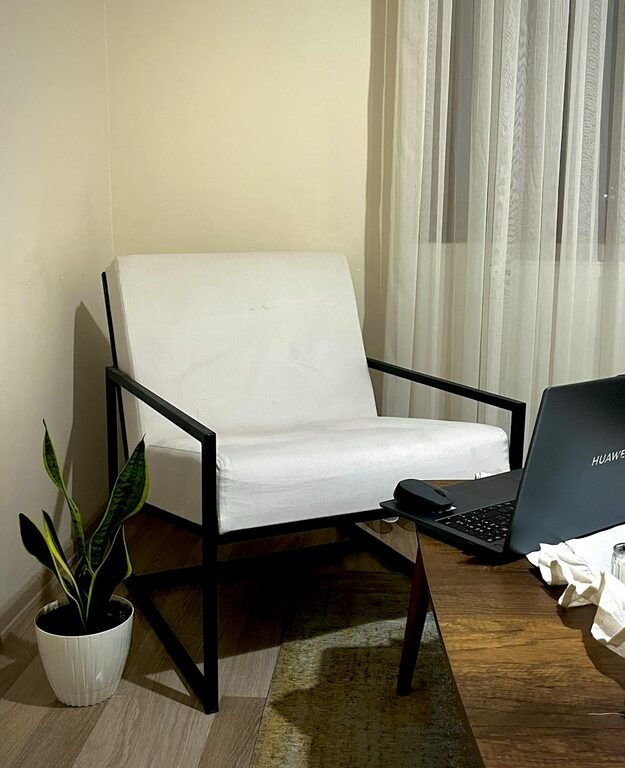
How to Create a Relaxing Home Workspace for Better Productivity
Creating a relaxing home workspace is essential for maintaining productivity and well-being, especially as remote work becomes more common. Your environment can greatly influence your mood and focus. A space that feels calm and inviting helps reduce stress and encourages better concentration throughout the day. This guide offers practical tips to help you design a workspace that feels relaxing and supports your daily tasks.
Why a Relaxing Workspace Matters
A cluttered or uncomfortable space can increase stress and distract you from your work. Conversely, a well-organized and peaceful area can:
– Improve focus and efficiency
– Foster creativity
– Reduce fatigue and frustration
– Encourage better posture and comfort
Investing time in setting up your home office with relaxation in mind pays off in your overall work experience.
Choosing the Right Location
Picking the ideal spot in your home is the first step. Consider these factors:
– Natural light: Position your workspace near a window if possible. Natural light is proven to enhance mood and energy.
– Quietness: Select a quiet corner, away from household noise or distractions.
– Space: Ensure you have enough room for your desk, chair, and any equipment without feeling cramped.
If space is limited, even a small, dedicated nook can be transformed into a calming work area.
Ergonomic Furniture
Comfort is key to a relaxing workspace. Ergonomics helps prevent strain and discomfort.
– Desk: Choose a desk with enough surface area to hold your essentials without clutter. Adjustable desks allow for sitting or standing.
– Chair: Invest in a supportive chair that encourages good posture. Adjustable height and lumbar support are important features.
– Monitor placement: Position your screen at eye level to reduce neck strain.
Ergonomic furniture contributes to both comfort and productivity.
Declutter and Organize
Clutter can increase anxiety and hamper your ability to focus. Keep your workspace tidy by:
– Using storage solutions like shelves, drawers, and organizers
– Keeping only necessary items on your desk
– Regularly clearing papers and unused supplies
– Using cable management tools to tame wires
A clean, organized space feels more peaceful and makes it easier to find what you need.
Soothing Colors and Decor
Colors affect our mood and energy levels. For a relaxing office space:
– Opt for calming, neutral colors like soft blues, greens, or beige
– Use natural elements such as plants, which add life and improve air quality
– Include personal touches like artwork, photos, or inspirational quotes without overcrowding
Keep decor simple and uncluttered to maintain a serene atmosphere.
Lighting for Comfort and Productivity
Good lighting reduces eye strain and creates a pleasant environment. Tips include:
– Maximize natural light during the day
– Use adjustable desk lamps with soft, warm bulbs for evening work
– Avoid harsh fluorescent lighting when possible
– Consider light dimmers or smart bulbs to control brightness
Proper lighting supports both alertness and relaxation.
Incorporate Calming Elements
Adding relaxing features can make a big difference in your workspace vibe:
– Plants: Easy-care plants like succulents or snake plants add a touch of nature.
– Aromatherapy: Essential oil diffusers with scents like lavender or eucalyptus promote calm.
– Sound: Soft background music, white noise, or nature sounds can help you concentrate.
Experiment with these elements to find what soothes you best.
Establish Boundaries
Creating a relaxing workspace also means setting clear boundaries:
– Define work hours and stick to them
– Keep your work area separate from leisure spaces when possible
– Communicate your schedule with family members or roommates
– Take regular breaks away from your desk to stretch and rest your eyes
Boundaries help to keep your work and home life balanced, reducing stress.
Technology Tips
Technology can enhance or disrupt your workflow. For a peaceful workspace:
– Organize your digital files to avoid frustration
– Use noise-cancelling headphones if external sounds are distracting
– Limit notifications during focused work time
– Keep charging stations hidden or organized to prevent cable mess
Technology used thoughtfully supports a calm working environment.
Final Thoughts
Creating a relaxing home workspace is about more than just aesthetics. It’s designing a space that supports your health, focus, and happiness throughout the workday. By choosing a good location, investing in comfortable furniture, keeping things organized, and adding soothing touches, you can enjoy a home office that feels like a sanctuary.
Start with small changes and tailor your workspace to your personal preferences. Over time, you’ll likely notice improved concentration, reduced stress, and a more enjoyable remote work experience.
—
With these ideas, you can transform any corner into a relaxing, productive home workspace. Happy decorating!
